Back
Building Shea's Buffalo Theatre

Building Shea's Buffalo Theatre

January 15, 1925 - 1926

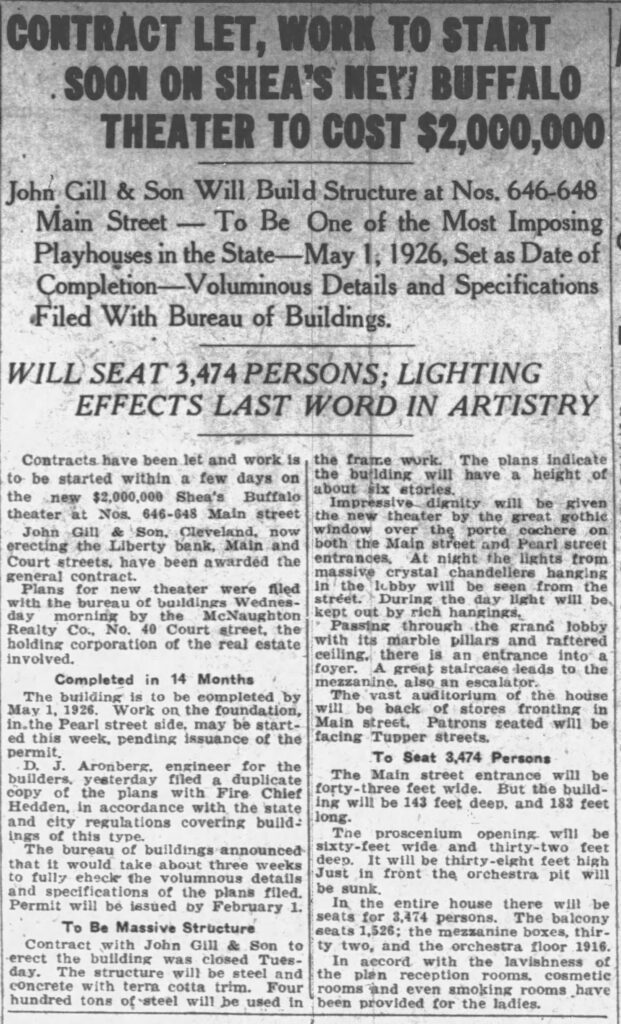
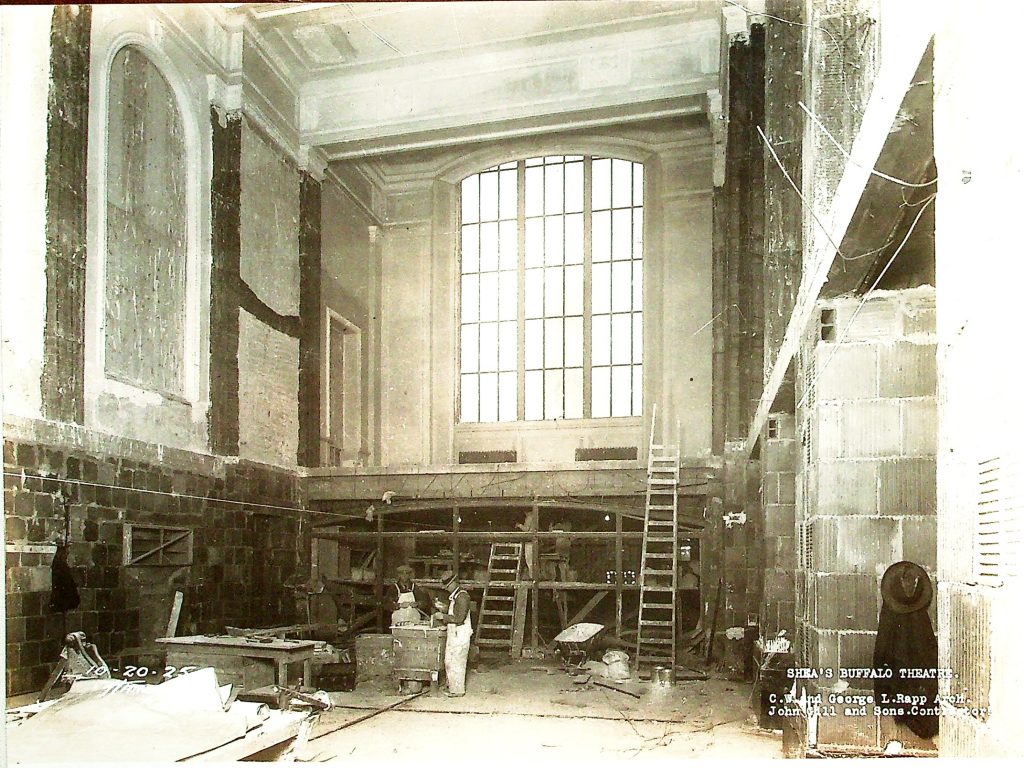
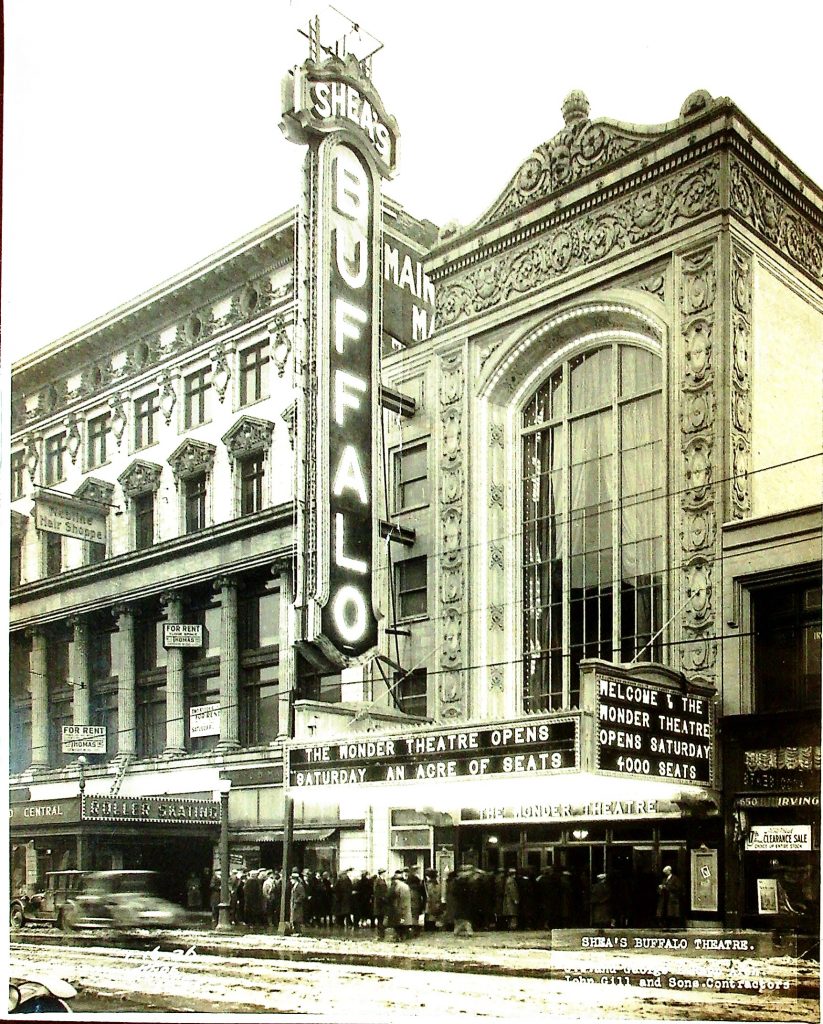
The construction of Shea’s Buffalo Theatre began with a groundbreaking on January 15, 1925, and remarkably, it took only one year and one day to complete. Designed by the renowned architectural firm Rapp & Rapp, Shea’s was built to resemble the grand opera houses of Europe, featuring intricate interior designs by Louis Comfort Tiffany. This architectural gem opened its doors on January 16, 1926, to the delight of Buffalo audiences.

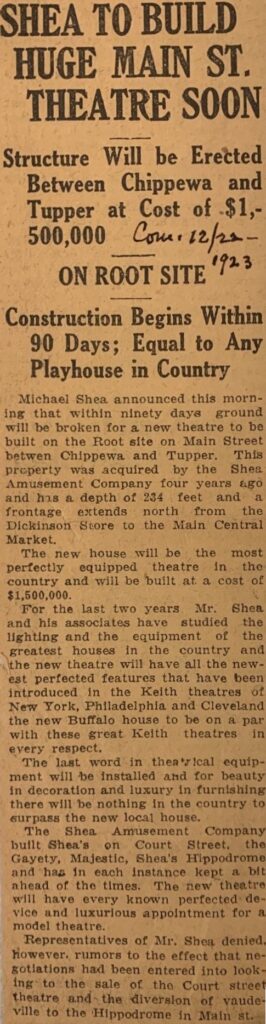
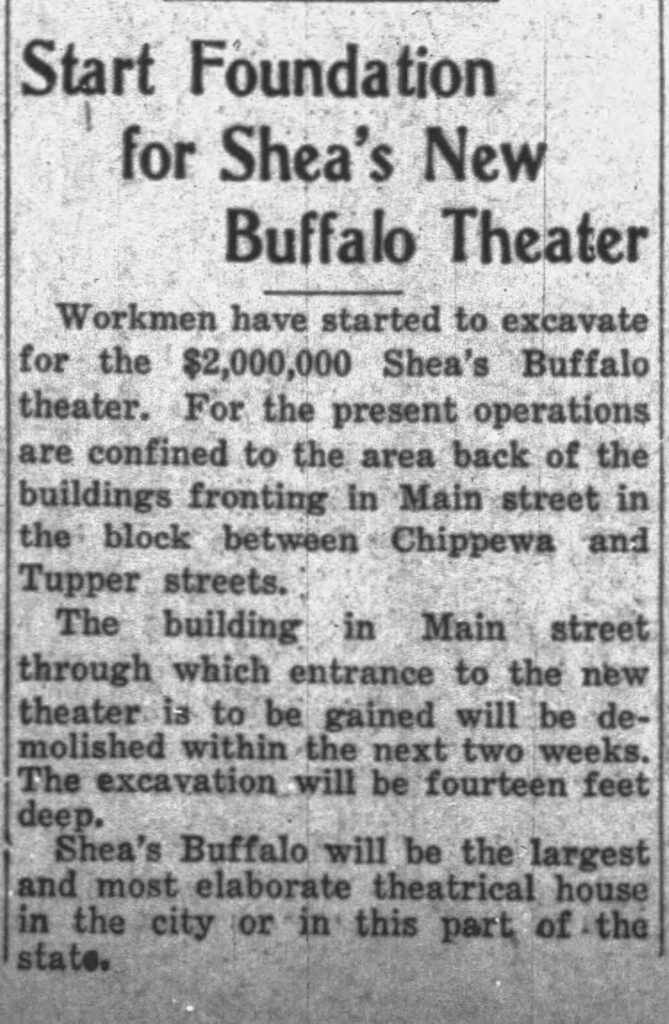
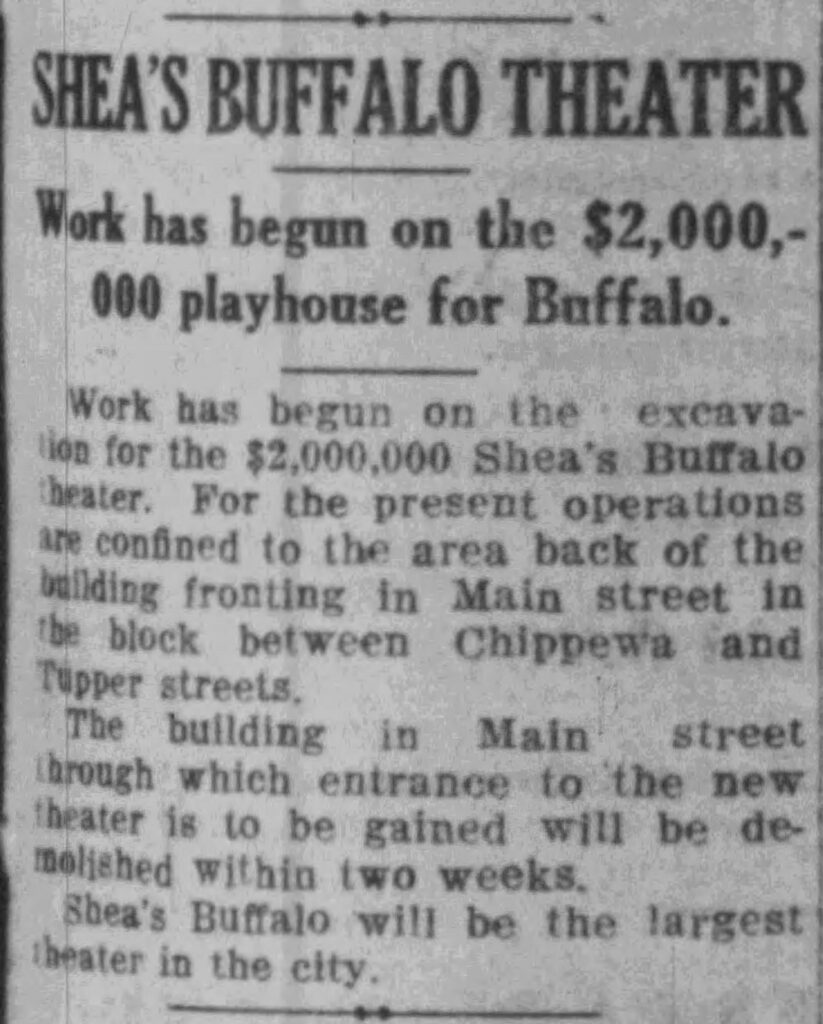
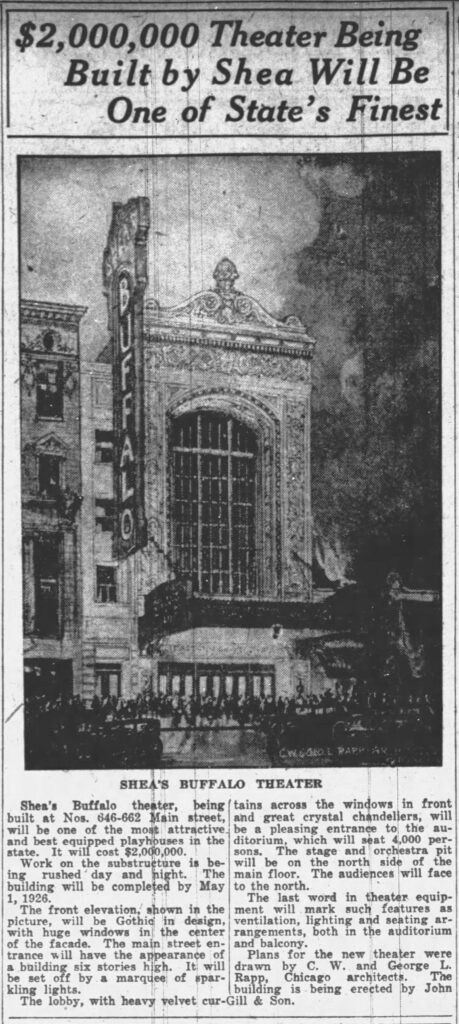
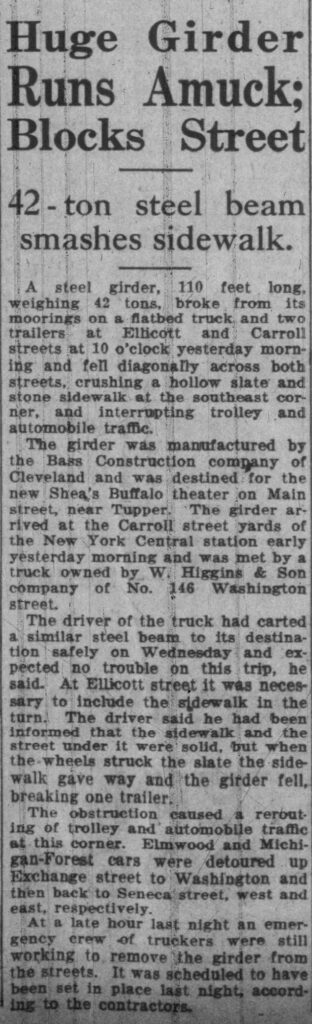
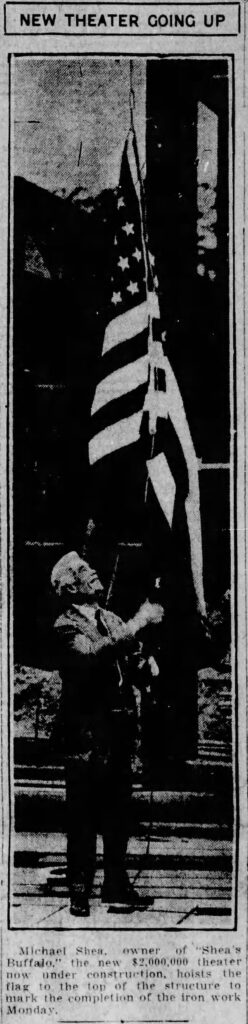
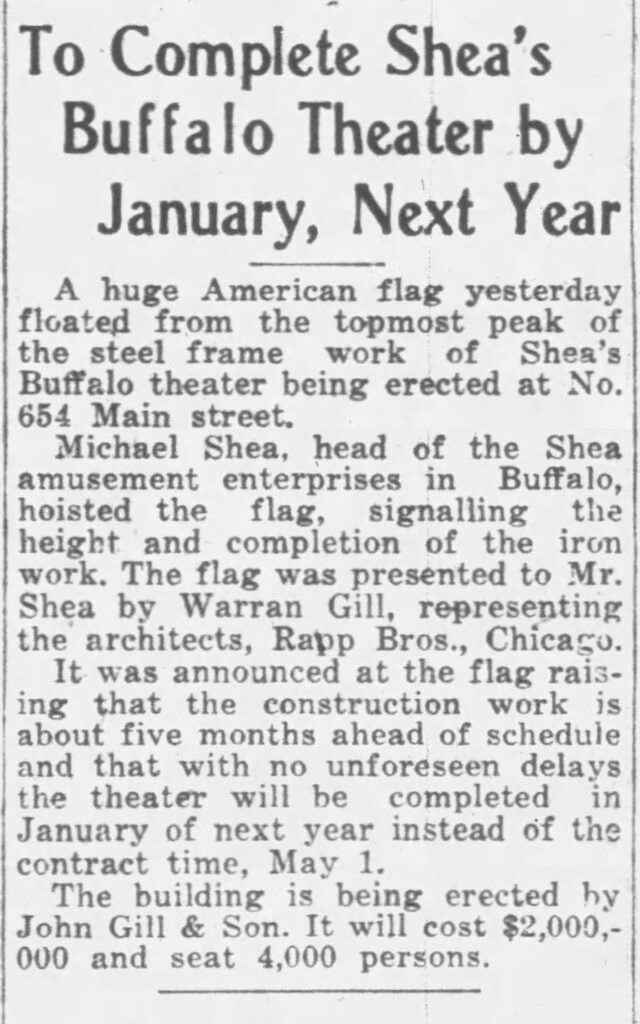
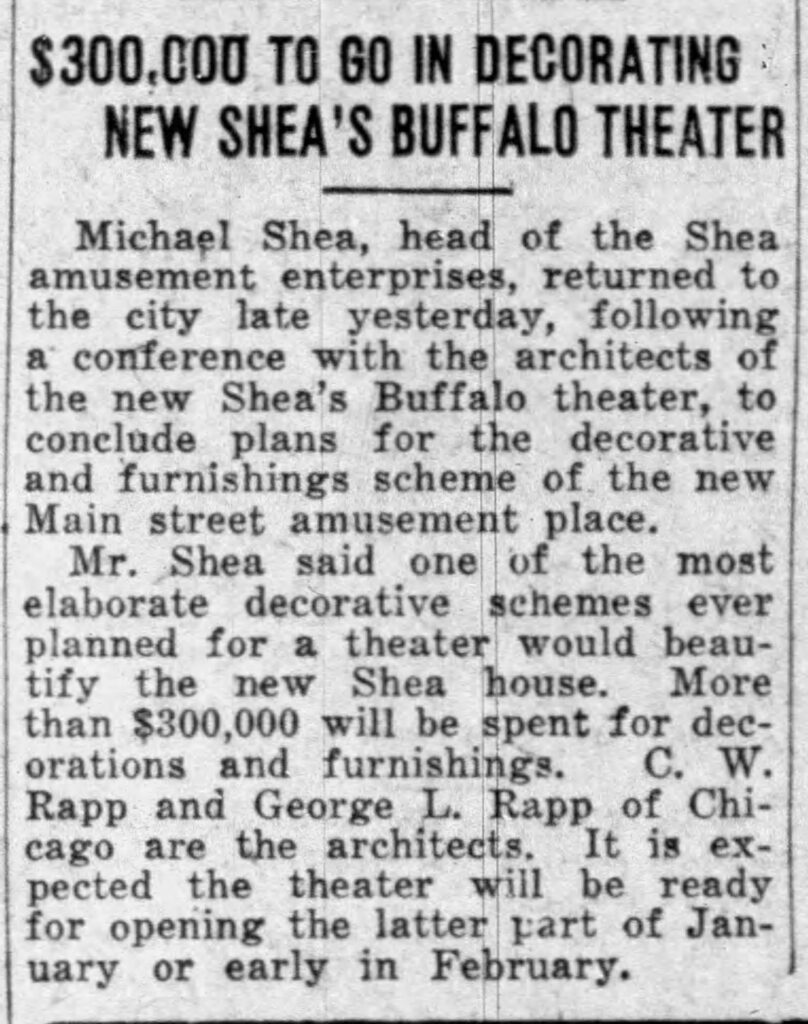
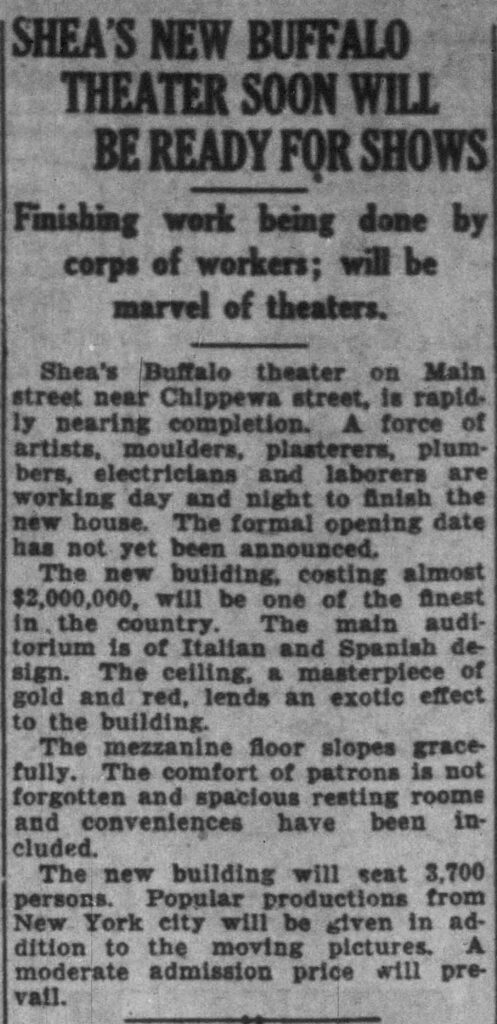
This article from 1923 is the very first mention of the theatre that would someday be Michael Shea's greatest legacy.

Photo Credit: Buffalo Courier-Express - December 1923

This article from 1923 is the very first mention of the theatre that would someday be Michael Shea's greatest legacy.

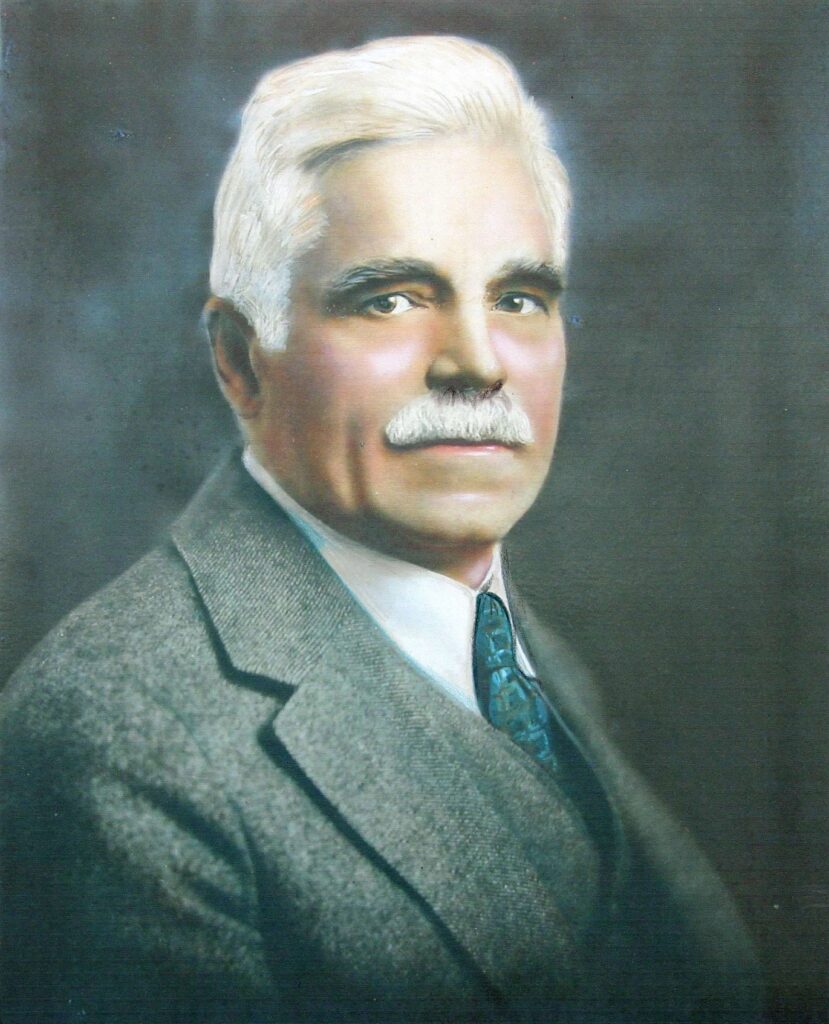
Michael Shea

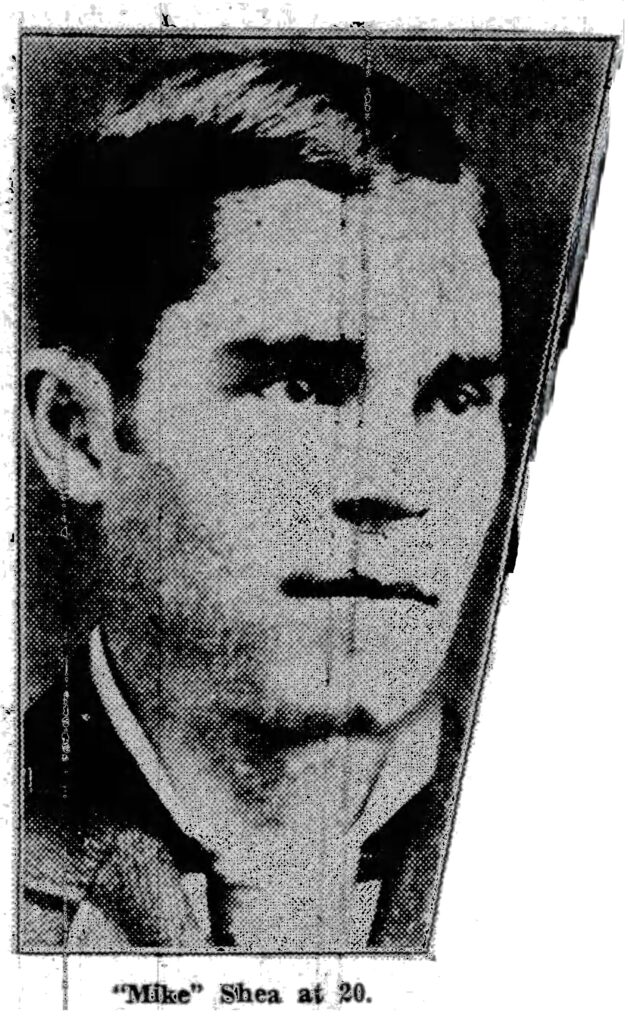
"Mike Shea was one of the last of the great showmen of the old tradition. With his name the growth of vaudeville in America is inseparably linked; the greatest stars of stage and screen during the past half century knew and respected him; much of the glamor and color and zest of the most robust period of the American variety stage clung to Mike Shea and made him a more remarkable figure, in most respects, than the most famous of the stars he hired and put upon his stages. He was a peculiar titan in the business of make-believe, a two-fisted Irishman who dealt in lights and laughter, gaiety and song. His career began in the old First War, on the docks among the brawny, brawling stevedores, on the skeletons of bridges among cursing, sweating iron workers, on freight steamers among the toughest of the lake seamen."

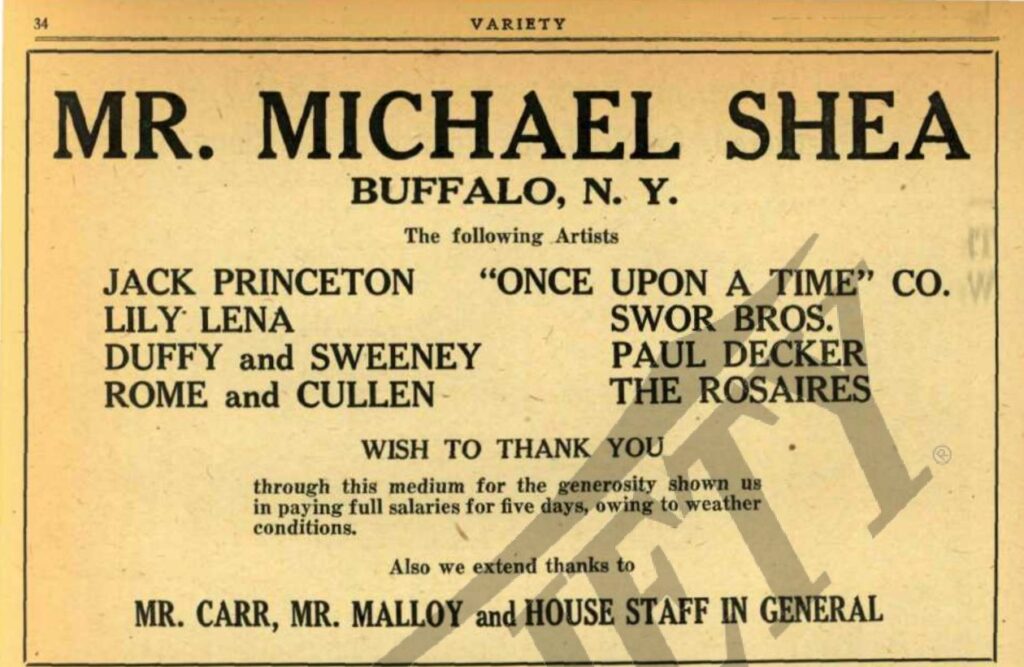
Michael Shea was born on April Fool's Day, 1859 in St. Catharines, Ontario to Daniel and Mary Griffin Shea; the Irish family soon moving to Buffalo's old First Ward where Mike got his first job at age twelve and working as a structural ironworker on railroad bridges. He took his earnings and borrowed $2,500 from a friend to open Shea's Music Hall in 1882. His first theater would burn down 11 years later in a fire but Mike Shea would rise up to create an empire of entertainment in Buffalo, giving his name to no less than a dozen theaters.

Michael Shea was born on April Fool's Day, 1859 in St. Catharines, Ontario to Daniel and Mary Griffin Shea; the Irish family soon moving to Buffalo's old First Ward where Mike got his first job at age twelve and working as a structural ironworker on railroad bridges. He took his earnings and borrowed $2,500 from a friend to open Shea's Music Hall in 1882. His first theater would burn down 11 years later in a fire but Mike Shea would rise up to create an empire of entertainment in Buffalo, giving his name to no less than a dozen theaters.

Iron Mike, the smartest April Fool, and the Old Man

Mike Shea was admired by many and known to all, from his immigrant kin in the old First Ward to the heights of Hollywood. In his early days as an ironworker, 'Iron Mike' had a reputation for fighting atop steel bridges. Those same friends from the First Ward stayed close even after his decades of show business, with one remarking on the occasion of Mike Shea's birthday: "Mike, if you're a fool, even if you were born on April Fool's Day, then you're the smartest one I've ever met!"

To the employees of the Shea's theaters, he was "The Old Man" and many had stayed with the Shea's theaters for more than 25 years (although it was a safe bet that he has fired each of those veterans at least once every year as well). One young usher, not recognizing Mr. Shea, told him to put out his cigar in the theater - and Michael Shea took him to the manager's office, insisting on promoting the young man. Performers too, clamored to get a run at Shea's theaters. Vaudevillian Eddie Cantor once said "The old tradition used to be that if you were in love and wanted to get married, Buffalo would be the place because Mike was always there to help you. If you were feeling rotten and wanted a rest cure, Buffalo was the place because Mike Shea was there to help you. No matter what you did backstage, Mike Shea was on hand. That's what made Buffalo a good show town. Mike did more for every trouper, including myself, than any other man."

To most at Shea's Buffalo though, Mike Shea could be found standing at the back of the theater, wearing an old hat and a mackintosh, always seeing how his show would "go over". One story recounts how seeing his audience bored with the movie playing, he marched into the projectionist booth to stop the film, and gave him a new movie just purchased from New York to put on instead, delighting his audience with the early antics of Charlie Chaplin. Even as his years in show business became decades, Mike Shea enjoyed his routines (swimming before breakfast, boxing, and walking to theaters daily), had a fondness for detective stories, and kept a 'cat account' on the books to feed the "fat and saucy" theater cats - he delighted in the occasional onstage appearances of one "Kitty Shea" at the Shea's Court Street Theatre.

"If you've got the show, they'll come in!"

- Michael Shea's 'theory of amusement'
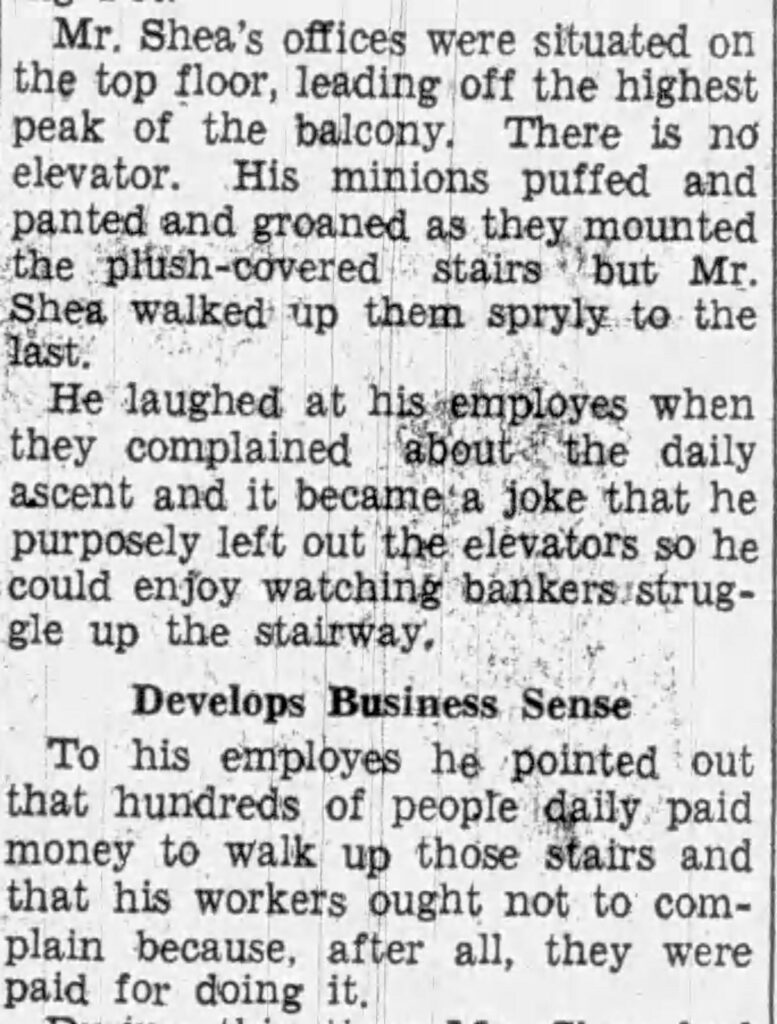
If you've ever wondered why Shea's Buffalo Theatre lacks an elevator, you can thank Michael Shea. A man who enjoyed physical exertion, he purposefully omitted elevators from the building. To his employees who complained, Michael Shea pointed out that hundreds of people paid every day to walk up those stairs and he was paying them to take the stairs instead.

Photo Credit: The Buffalo Times - May 16, 1934

If you've ever wondered why Shea's Buffalo Theatre lacks an elevator, you can thank Michael Shea. A man who enjoyed physical exertion, he purposefully omitted elevators from the building. To his employees who complained, Michael Shea pointed out that hundreds of people paid every day to walk up those stairs and he was paying them to take the stairs instead.

Winter of 1925

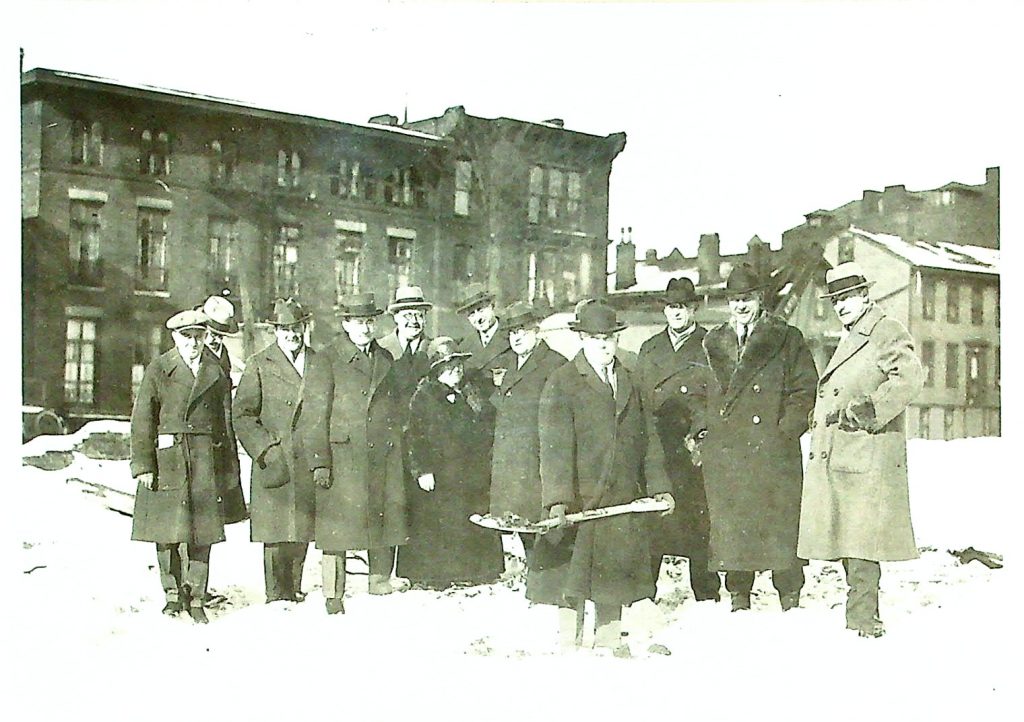
Michael Shea leads the groundbreaking ceremony on January 15, 1925, shovel in hand, as local business owners gather on Main Street to support this monumental project. The event marked the beginning of what would become a Buffalo landmark, symbolizing the community's excitement for the future Shea's Buffalo Theatre.

Michael Shea leads the groundbreaking ceremony on January 15, 1925, shovel in hand, as local business owners gather on Main Street to support this monumental project. The event marked the beginning of what would become a Buffalo landmark, symbolizing the community's excitement for the future Shea's Buffalo Theatre.

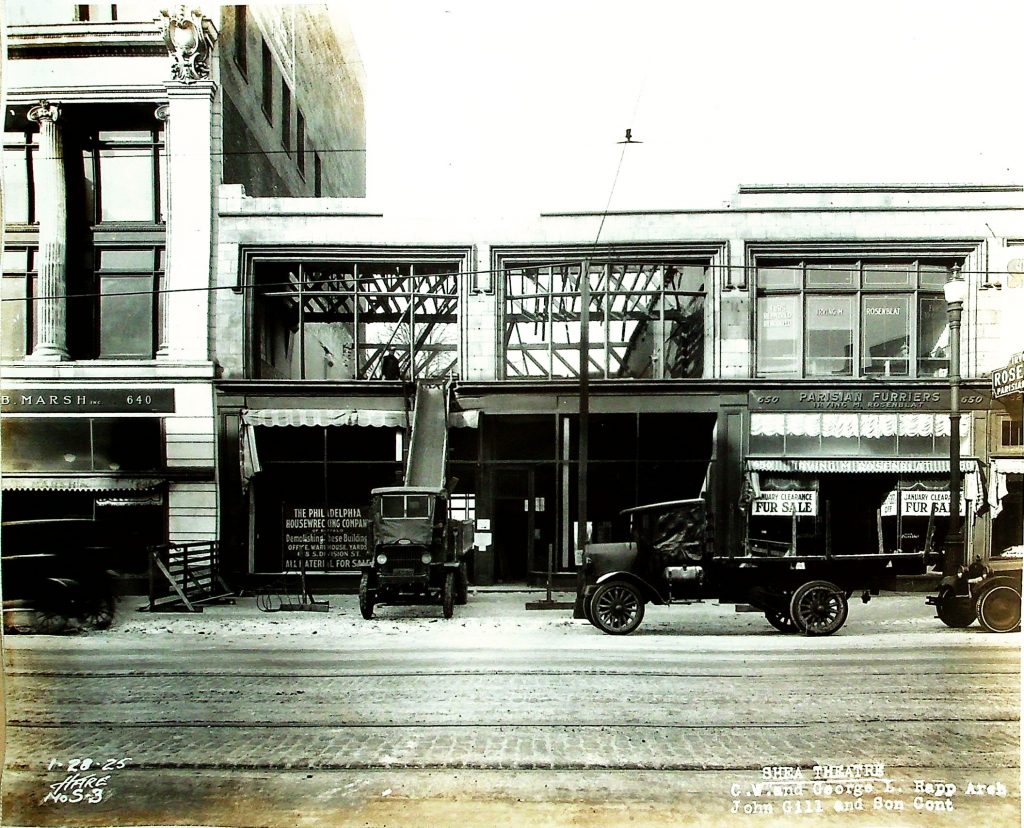
The original storefronts on Main Street were completely torn down to make way for Shea's Buffalo Theatre. Securing an entrance on this bustling street was vital, ensuring the theater would be at the heart of Buffalo's vibrant downtown.

The original storefronts on Main Street were completely torn down to make way for Shea's Buffalo Theatre. Securing an entrance on this bustling street was vital, ensuring the theater would be at the heart of Buffalo's vibrant downtown.

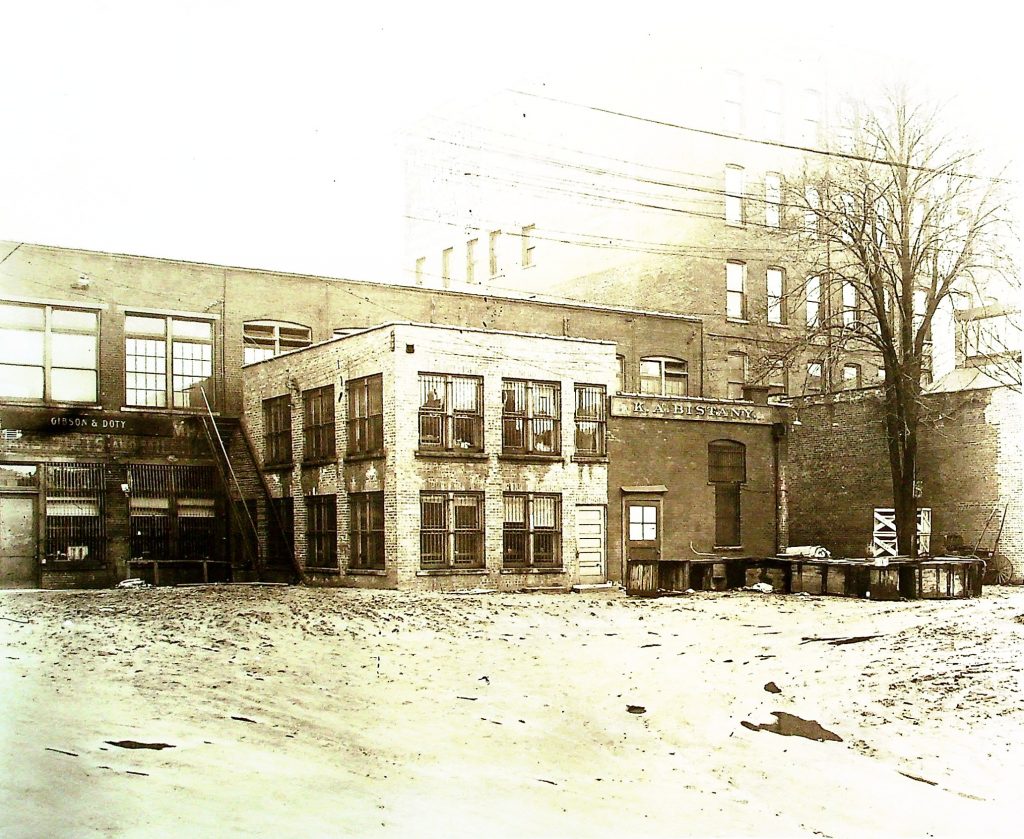
This building, located on Main Street, was completely removed to make space for the new Shea's Buffalo Theatre. Its demolition paved the way for the grand construction that would redefine this area of Buffalo

This building, located on Main Street, was completely removed to make space for the new Shea's Buffalo Theatre. Its demolition paved the way for the grand construction that would redefine this area of Buffalo

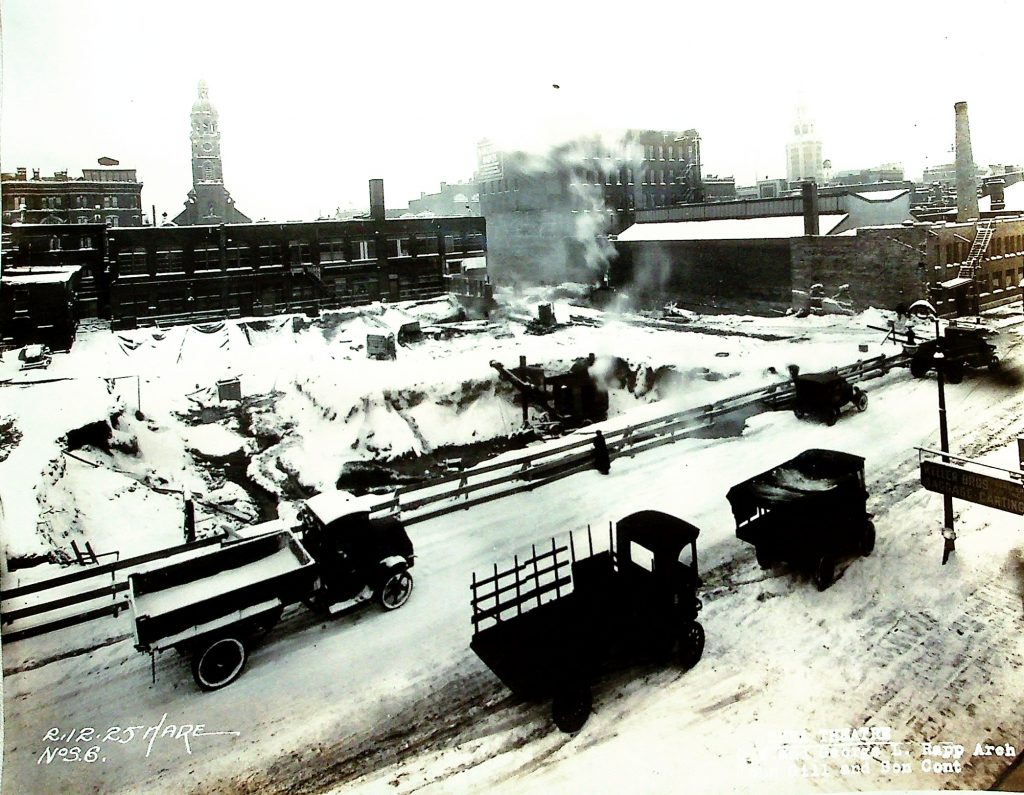
Steam shovels were used for the project to dig deep for the basement and sub-basement of Shea's Buffalo Theatre. This view from Pearl Street shows the back of the construction site, where heavy machinery was essential in shaping the foundation.

Steam shovels were used for the project to dig deep for the basement and sub-basement of Shea's Buffalo Theatre. This view from Pearl Street shows the back of the construction site, where heavy machinery was essential in shaping the foundation.

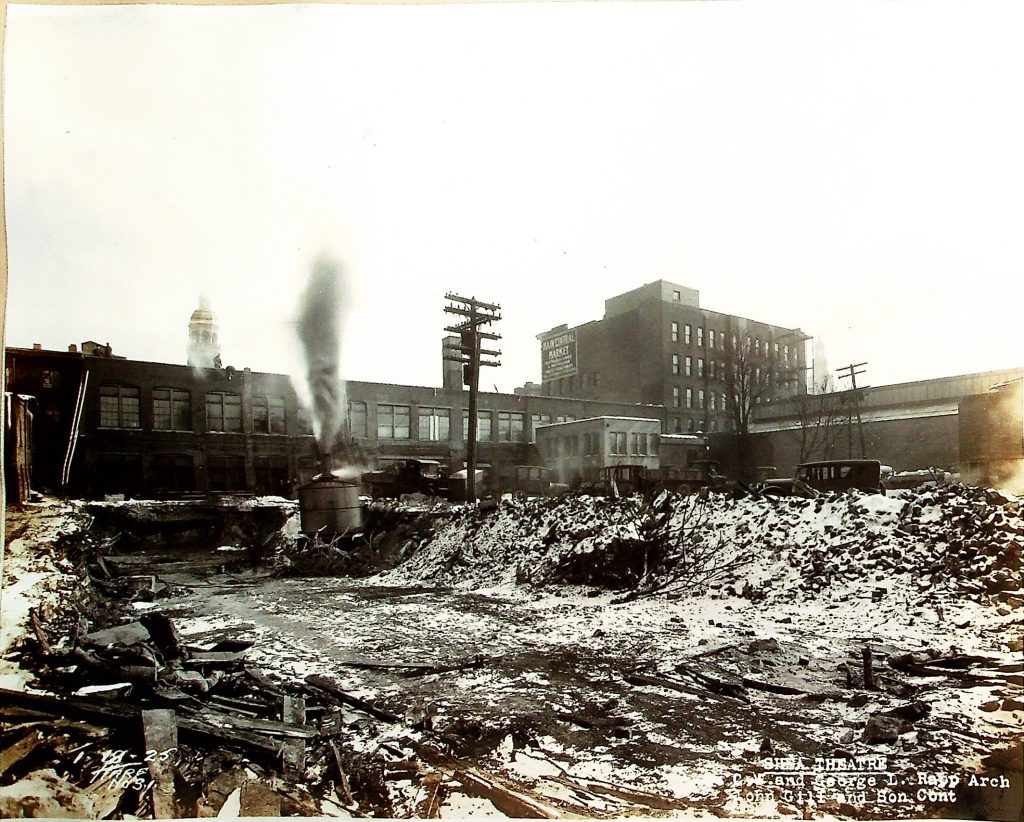
Despite heavy snowfall, construction on Shea's continued at a steady pace. This view from Pearl Street captures the determination of the crew as they pressed forward, ensuring progress through Buffalo's tough winter weather.

Despite heavy snowfall, construction on Shea's continued at a steady pace. This view from Pearl Street captures the determination of the crew as they pressed forward, ensuring progress through Buffalo's tough winter weather.

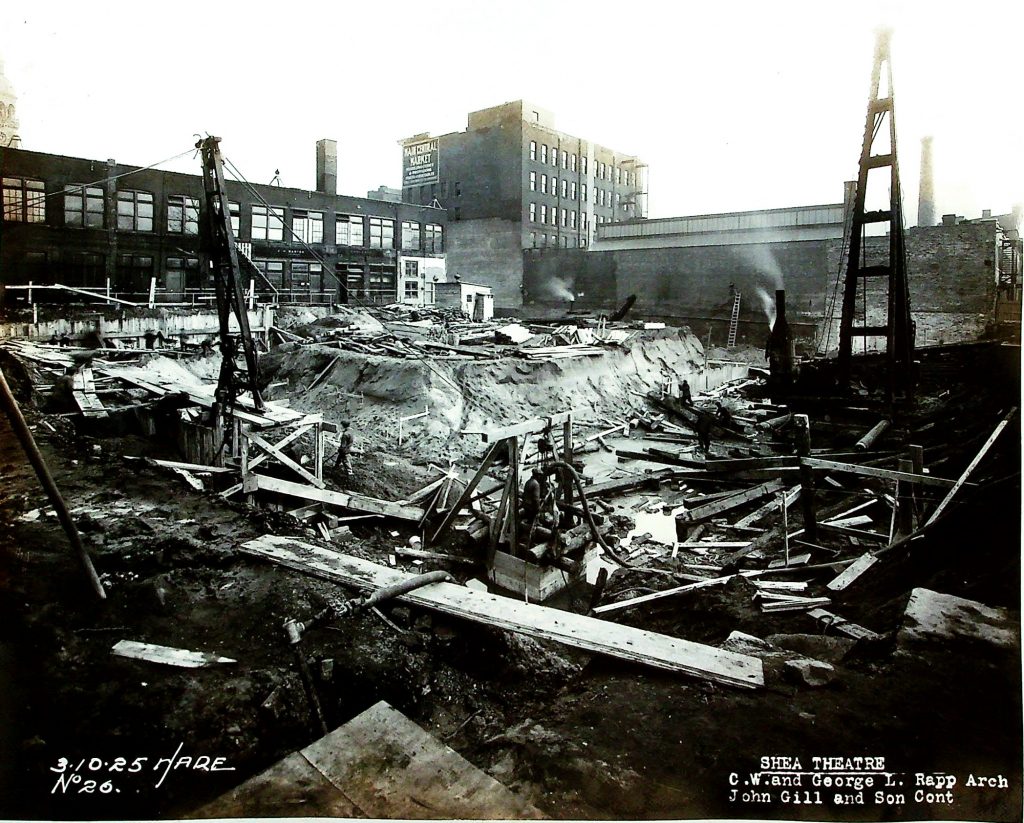
The large mound visible in this photo was intentionally left in place to support the seating in the orchestra level, ensuring a stable foundation for Shea’s grand audience area.

The large mound visible in this photo was intentionally left in place to support the seating in the orchestra level, ensuring a stable foundation for Shea’s grand audience area.

Spring of 1925

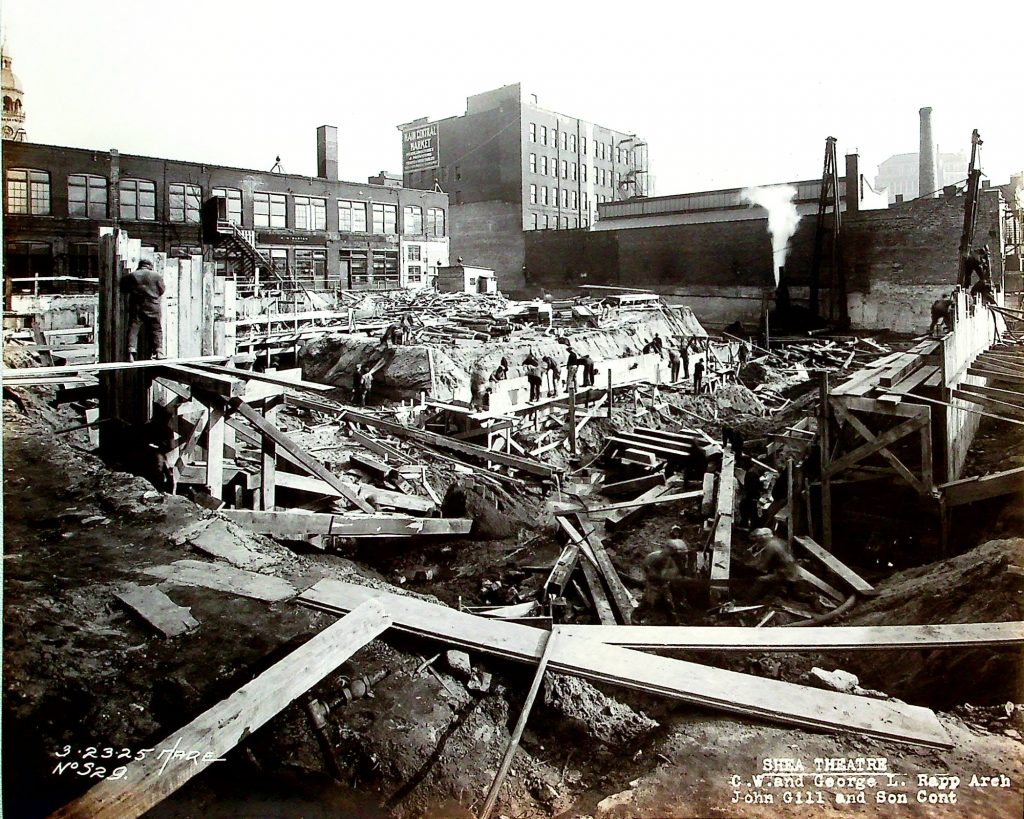
On March 23, 1925, construction reached a significant milestone as workers began pouring the foundation of Shea's Buffalo Theatre, laying the groundwork for what would become a centerpiece of Buffalo's cultural scene

On March 23, 1925, construction reached a significant milestone as workers began pouring the foundation of Shea's Buffalo Theatre, laying the groundwork for what would become a centerpiece of Buffalo's cultural scene

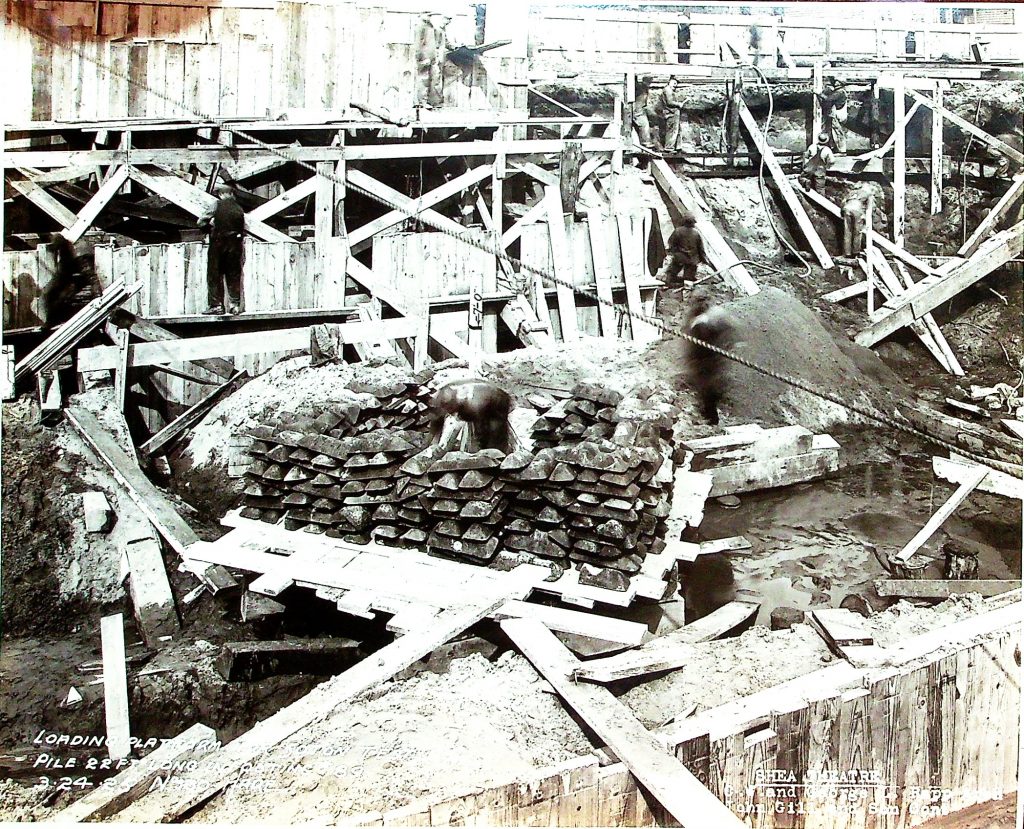
To support the massive structure of Shea's Buffalo Theatre, builders had to dig down to bedrock. A wooden platform was constructed, upon which 50 tons of iron ore ingots were piled to achieve the necessary weight, ensuring they reached solid ground. This meticulous process was repeated wherever a steel beam was to be installed, reflecting the careful engineering behind this monumental project.

To support the massive structure of Shea's Buffalo Theatre, builders had to dig down to bedrock. A wooden platform was constructed, upon which 50 tons of iron ore ingots were piled to achieve the necessary weight, ensuring they reached solid ground. This meticulous process was repeated wherever a steel beam was to be installed, reflecting the careful engineering behind this monumental project.

Summer of 1925

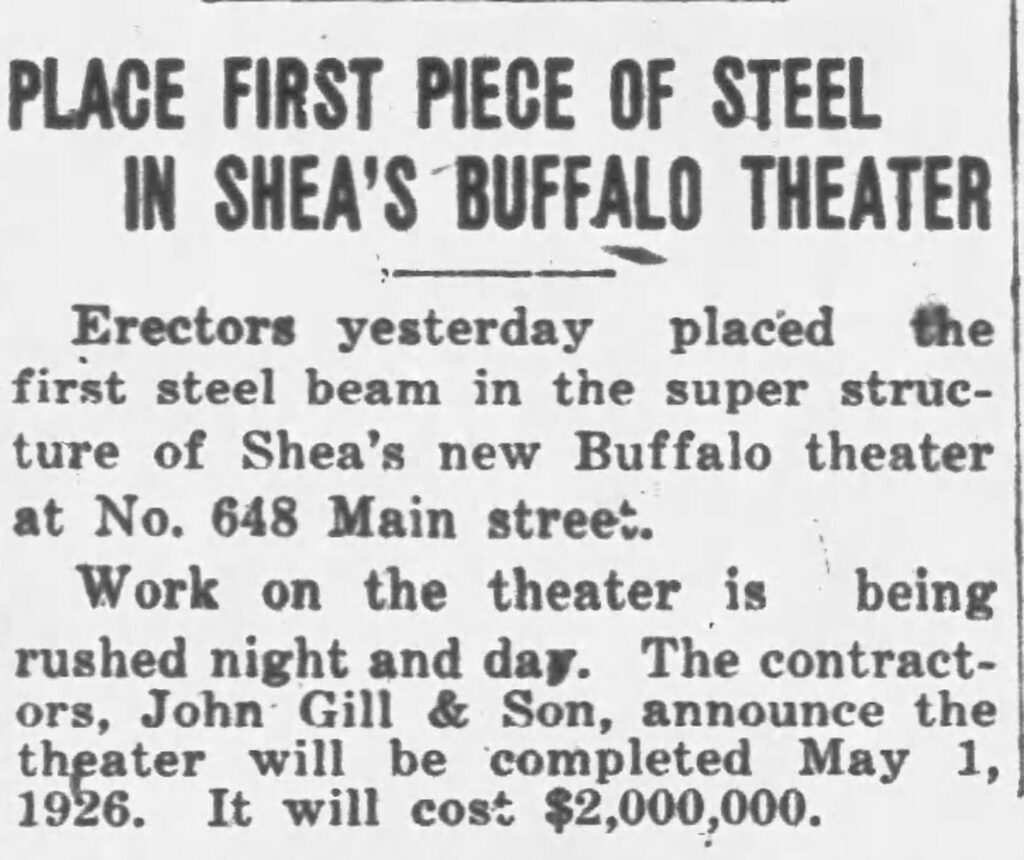
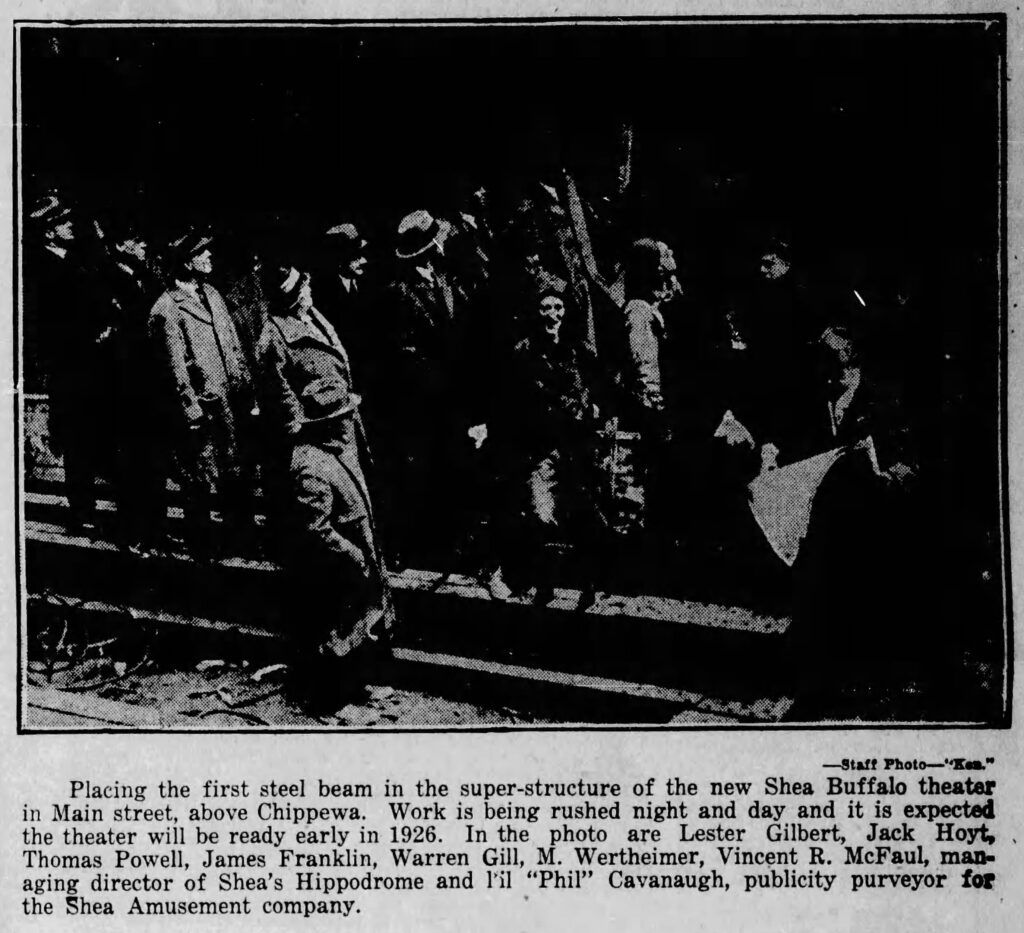
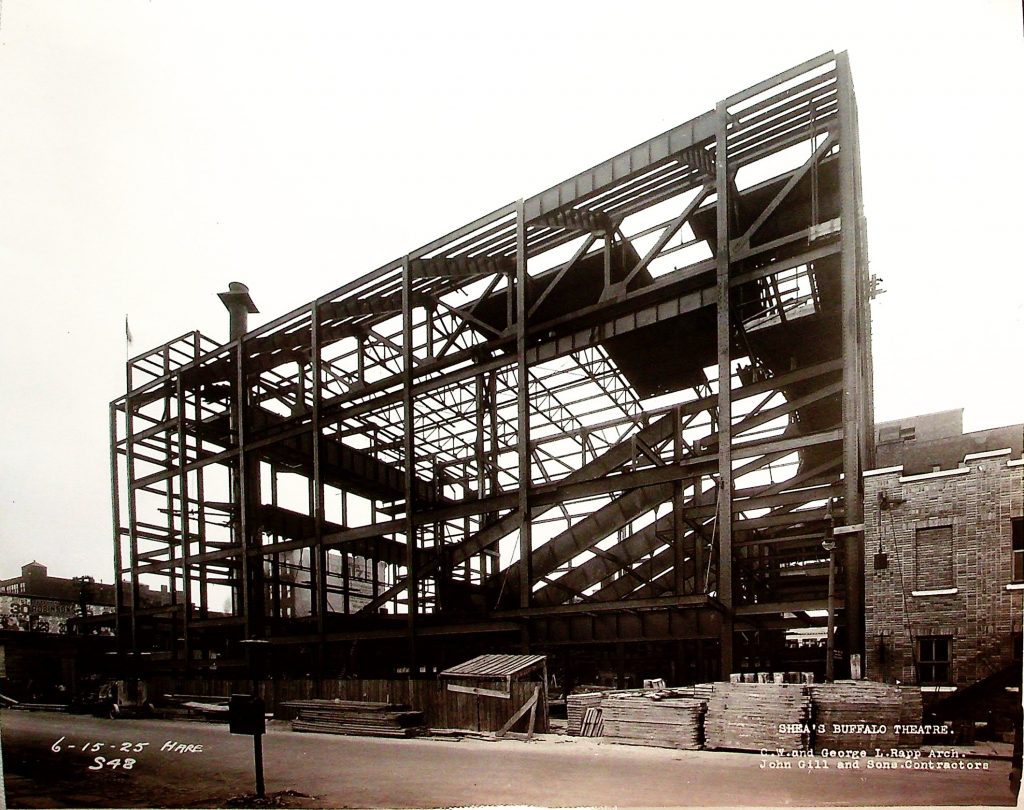
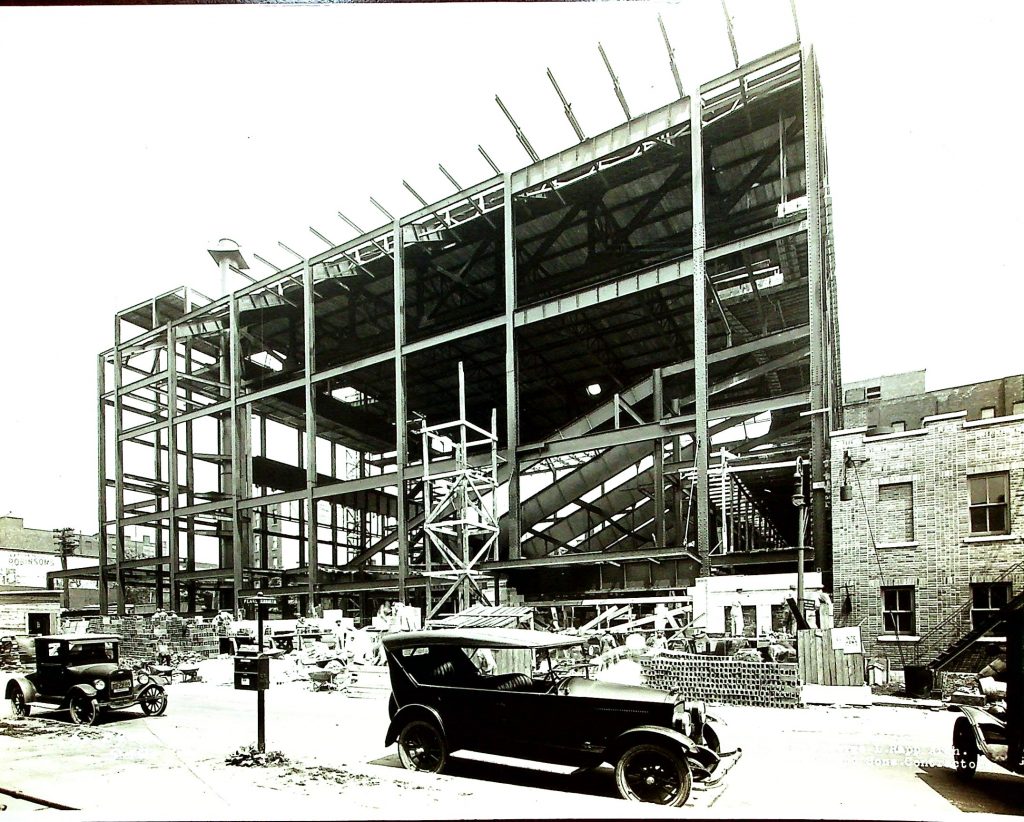
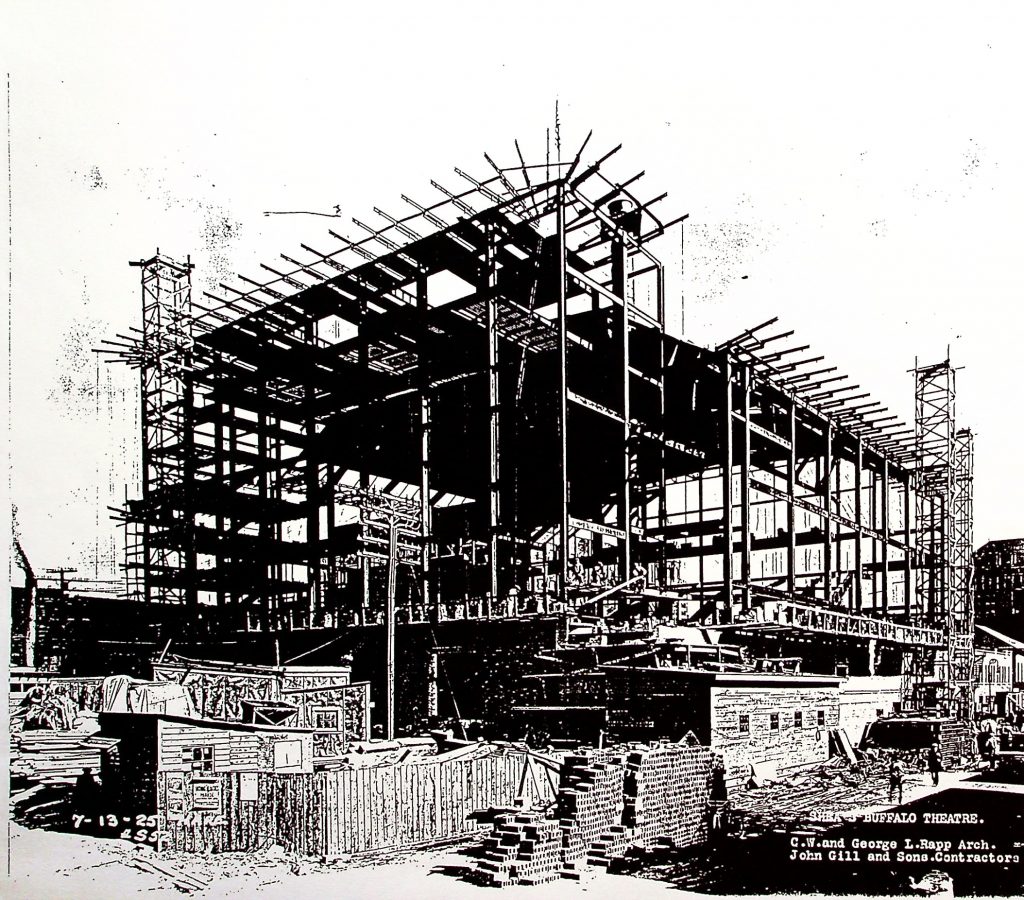
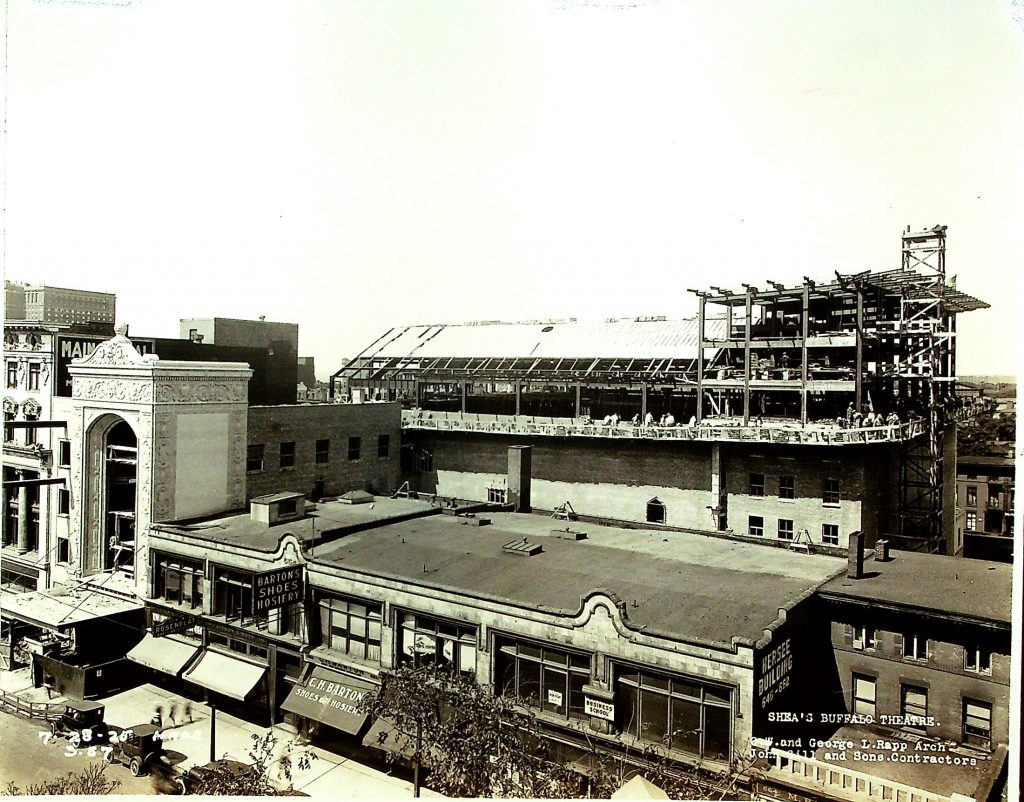
The start of the steel structure marked a significant milestone in Shea's construction, embracing a newer concept in building design. All the steel used in this ambitious project was sourced from Bethlehem Steel's Lackawanna factory, ensuring a robust framework for this architectural masterpiece.

The start of the steel structure marked a significant milestone in Shea's construction, embracing a newer concept in building design. All the steel used in this ambitious project was sourced from Bethlehem Steel's Lackawanna factory, ensuring a robust framework for this architectural masterpiece.

The exterior brickwork of Shea's Buffalo Theatre began to take shape, marking an important step in its construction. This meticulous craftsmanship would ultimately contribute to the theater's stunning façade, a blend of elegance and durability that would stand the test of time.

The exterior brickwork of Shea's Buffalo Theatre began to take shape, marking an important step in its construction. This meticulous craftsmanship would ultimately contribute to the theater's stunning façade, a blend of elegance and durability that would stand the test of time.

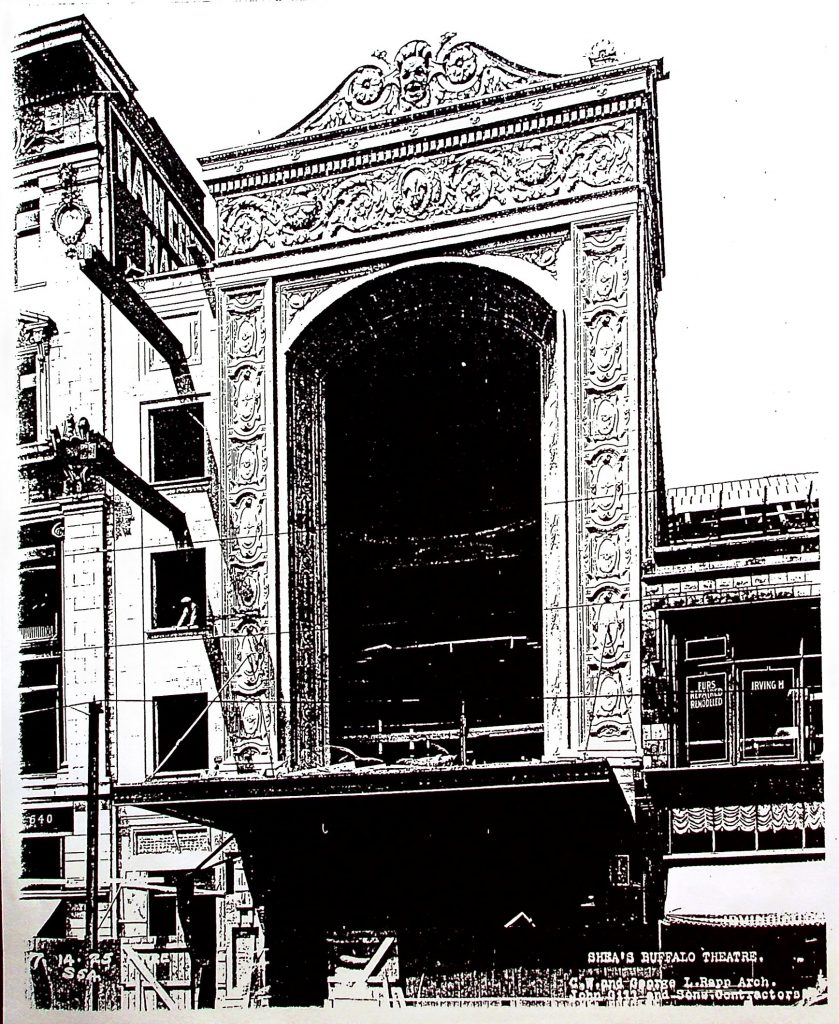
The façade of Shea's Buffalo Theatre features exquisite glazed terracotta brickwork, adding a touch of sophistication to its exterior.

The façade of Shea's Buffalo Theatre features exquisite glazed terracotta brickwork, adding a touch of sophistication to its exterior.

Fall of 1925

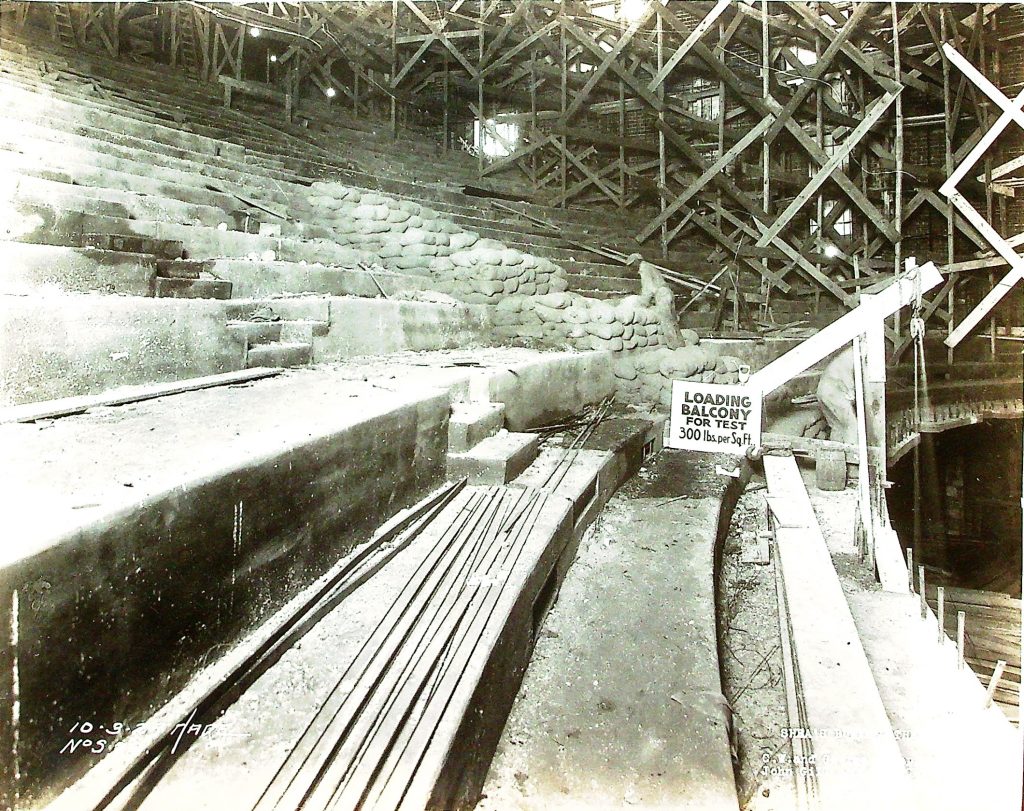
Shea's Buffalo Theatre boasts a seating capacity of over 4,000, creating an intimate yet grand atmosphere for audiences. Notably, the balcony design features no central support; instead, the weight is elegantly distributed outward to the surrounding columns. This innovative architectural choice includes a built-in flex of 5/16, allowing for both structural integrity and aesthetic beauty.
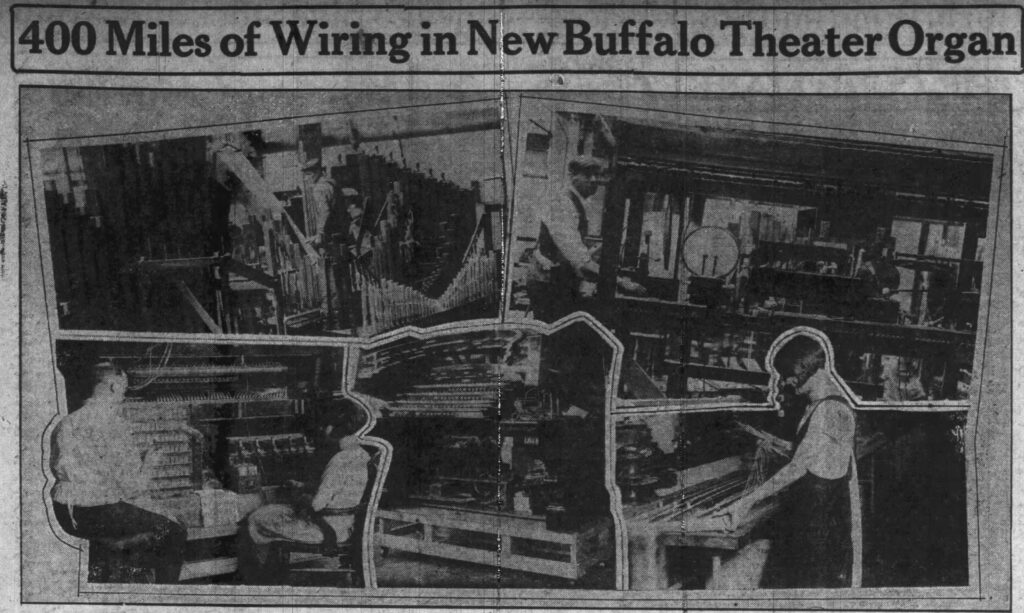
Shea's Buffalo Theatre boasts a seating capacity of over 4,000, creating an intimate yet grand atmosphere for audiences. Notably, the balcony design features no central support; instead, the weight is elegantly distributed outward to the surrounding columns. This innovative architectural choice includes a built-in flex of 5/16, allowing for both structural integrity and aesthetic beauty.
Winter of 1926

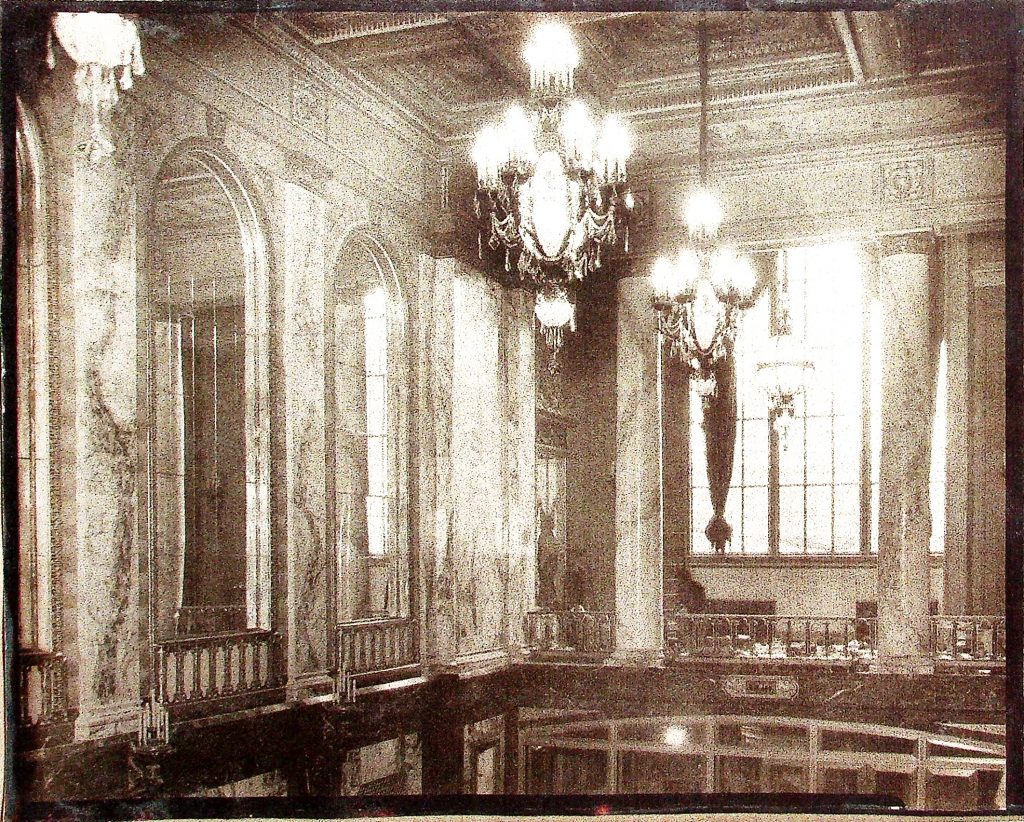
Just before the grand opening, the finishing touches are being added to Shea's Buffalo Theatre, including elegant drapery that enhances the lobby's opulent design.
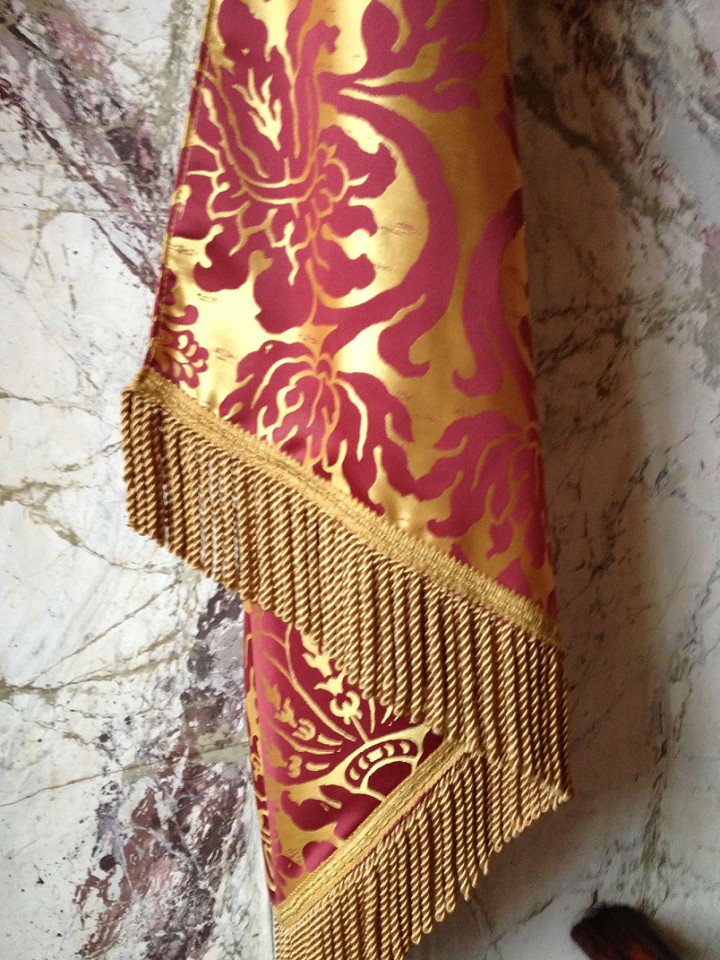
Just before the grand opening, the finishing touches are being added to Shea's Buffalo Theatre, including elegant drapery that enhances the lobby's opulent design.

January 16, 1926, marked the completion of the remarkable one-year-and-one-day construction journey for Shea's Buffalo Theatre. This monumental project was a testament to the vision and dedication of all involved, culminating in the creation of a stunning venue that would serve as a cultural landmark in Buffalo.

January 16, 1926, marked the completion of the remarkable one-year-and-one-day construction journey for Shea's Buffalo Theatre. This monumental project was a testament to the vision and dedication of all involved, culminating in the creation of a stunning venue that would serve as a cultural landmark in Buffalo.